
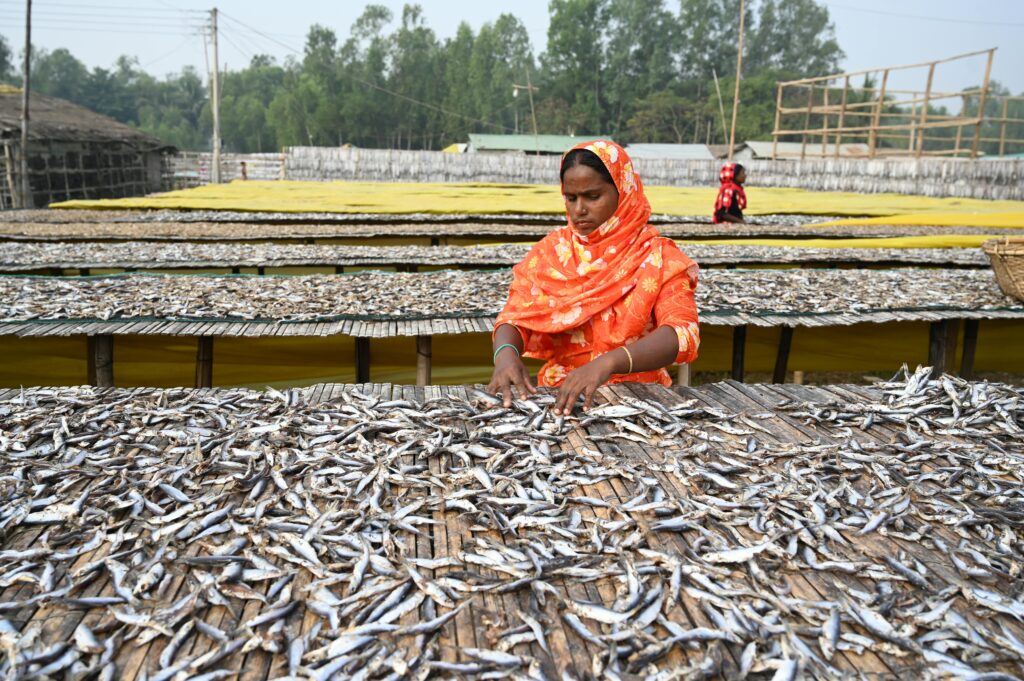
Fish farming is becoming one of the best ways to produce food, generate income, and improve household nutrition. The good news is that you do not need expensive equipment or large amounts of money to begin. With proper planning and simple management practices, beginners can successfully raise fish even on a small scale.
If you are just starting your fish farming journey, these simple tips will help you avoid common mistakes and improve your chances of success.
🐟 1. Start Small and Learn First
One of the biggest mistakes beginners make is starting too big before gaining experience.
It is better to begin with:
- One small pond
- A manageable number of fingerlings
- Basic equipment
Starting small allows you to:
- Learn fish behavior
- Understand feeding
- Monitor water quality
- Reduce losses if mistakes happen
As your knowledge and confidence grow, you can expand gradually.
For many beginners, a small earthen pond or lined pond is enough to begin learning practical fish farming skills.
🌊 2. Choose a Good Water Source
Water is the foundation of successful fish farming.
Fish need:
- Clean water
- Enough oxygen
- Stable water levels
Good water sources include:
- Boreholes
- Wells
- Streams
- Dam water
- Rainwater collection systems
Avoid polluted water because it can lead to disease and fish deaths.
Also make sure your pond can retain water properly without excessive leakage.
🐠 3. Stock Healthy Fingerlings
Healthy fingerlings are very important for good growth and survival rates.
When buying fingerlings:
- Buy from trusted hatcheries
- Choose active fish
- Avoid weak or injured fingerlings
- Make sure sizes are fairly uniform
Tilapia is one of the best fish species for beginners because:
- It grows fast
- It tolerates different conditions
- It has strong market demand
- It is easier to manage
Stocking too many fish can cause:
- Slow growth
- Low oxygen
- Increased disease
Beginners should avoid overcrowding ponds.
🍚 4. Feed Fish Properly
Fish feeding plays a major role in growth and profitability.
Good feeding practices include:
- Feeding at the same time daily
- Avoiding overfeeding
- Using quality feed
- Monitoring fish response during feeding
Overfeeding wastes money and pollutes the pond water.
Fish can be fed using:
- Commercial fish feed
- Homemade feed mixtures
- Natural pond organisms
Some farmers also supplement feeds using:
- Duckweed
- Azolla
- Kitchen leftovers
- Vegetable leaves
Healthy feeding leads to:
- Faster growth
- Better fish health
- Higher profits
☀️ 5. Monitor Your Pond Regularly
Successful fish farmers check their ponds every day.
Regular monitoring helps you detect:
- Water problems
- Fish sickness
- Predators
- Feed issues
- Pond leaks
Watch for signs such as:
- Fish gasping at the surface
- Unusual swimming
- Dead fish
- Bad water smell
Simple daily observation can prevent major losses.
Keep your pond area clean and protect it from:
- Birds
- Snakes
- Frogs
- Theft
🌿 Final Thoughts
Fish farming can be a rewarding business or household activity when managed properly. Beginners do not need expensive technology to succeed. What matters most is:
- Good management
- Patience
- Consistency
- Willingness to learn
By starting small, using good water, stocking healthy fingerlings, feeding properly, and monitoring your pond regularly, you can build a strong foundation for successful fish farming.
Whether you want fish farming for food, business, or family income, these simple tips can help you begin the right way.